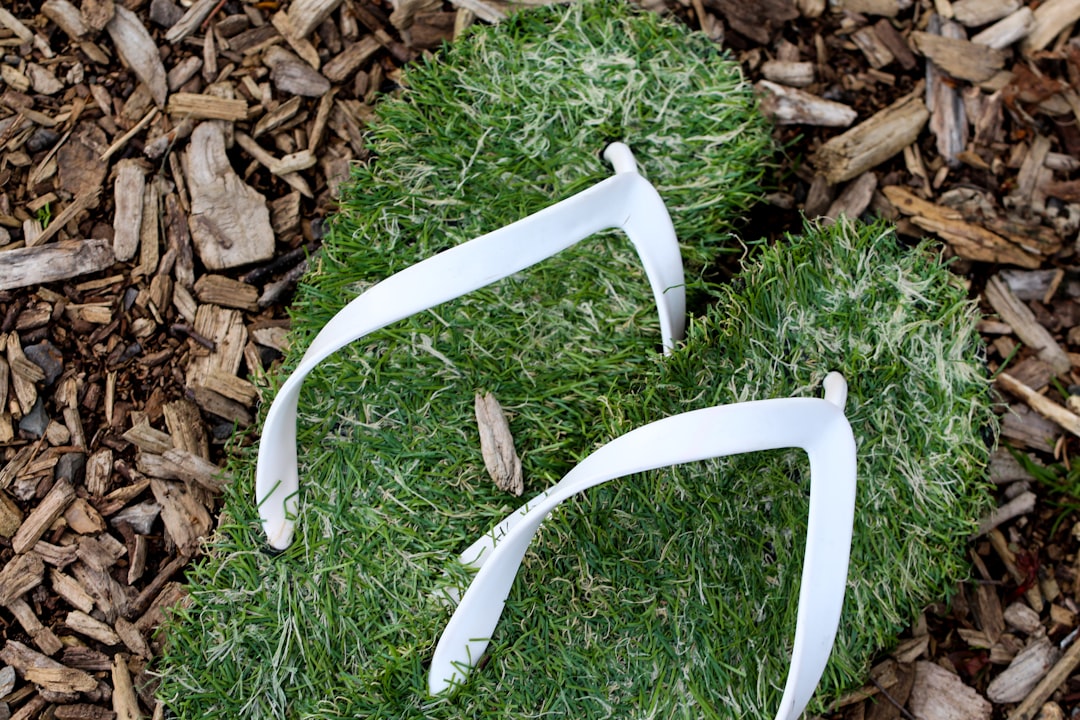
Hook: The one pair that replaced a suitcase
In 2026 a lot of frequent flyers don't pack dozens of options — they look for a single, adaptable shoe that compresses, converts, and performs across climates, security lines, and creator-led pop-ups. If you build or buy travel footwear today, you need to think like a product designer and a micro‑retailer at the same time.
Why 2026 feels different for travelers and shoe brands
Travel constraints, climate variability, and retail friction collided with the rise of micro‑events and creator commerce in the last two years. Brands that combine lightweight engineering with modular design and airline-friendly materials now win both shelf space and carry‑on slots.
“Travel footwear in 2026 is less about trends and more about context: a shoe must be adaptable, serviceable, and narratable on a 90‑second demo.”
Core technical trends shaping travel shoes right now
- Modular sole systems — quick-swap midsole cushions and outsole tread pads tuned for airport tiles, wet sidewalks, and light trail approaches.
- Compressible packaging — shoes that fold safely for carry‑on compression organizers and still return to shape after transit.
- Airline‑safe textiles — metallic-free closures and low-flammability liners for faster security screening and fewer gate delays.
- Localized pop-up demos — micro-retail activations at transit hubs and boutique micro‑stays to reach travelers where they book.
- Creator-driven social proof — short-form reviews and live demos from creators using portable streaming kits to sell product experiences on the road.
What brands are doing operationally — and what works
Operational playbooks in 2026 prioritize field-forward testing and rapid on-location feedback loops. Instead of a long lab-only cycle, teams run short micro-tests — weekend pop-ups, transit kiosk demos, and creator trials — that inform the next material batch.
If you're building these programs, pay attention to three pragmatic levers:
- Portable capture and commerce: Use compact field kits and low-latency streaming to record demos and convert live viewers. For practical guidance on executing creator-led demos and streaming commerce, see the field playbook for Portable Streaming Kits and Micro‑Pop‑Ups, which explains capture-to-conversion patterns we've tested across travel-oriented demos.
- Micro‑event placement: Weekend and transit pop-ups drive trial. The Pop‑Up Beach Shops playbook is a good model — swap beach traffic for airport layovers or micro‑stay lobbies and you get the same conversion dynamics.
- Content at the edge: Capture short how-to clips near the product — not after. Producer field notes such as Compact Camp Kitchens & Viral Outdoor Content show how short contextual sequences outperform polished ads for on-the-spot conversion.
Buyer guidance: How to pick a travel shoe in 2026
Buyers now expect more than cushioning. Evaluate these attributes before you open your wallet:
- Modularity: Can the midsole or insole be swapped for flight, city, and wet conditions?
- Compressibility: Does the shoe pack into a carry-on compression organizer without losing shape?
- Serviceability: Are replacement parts (laces, insoles, outsole pads) available locally or via pop-up partners?
- Pack weight vs. comfort trade-off: How much weight do you accept to avoid extra pairs of shoes?
- Retail accessibility: Where can you try and buy — airport pop-ups, micro-stays, or direct ship? See micro-stay trends in Micro‑Stays and Slow Travel in Dubai as one example of how travel accommodation partnerships drive local retail trials.
Examples of modern travel features (real world, 2026)
Field tests in 2025–2026 show the features that matter in practice:
- Replaceable rubber toe caps for quick urban repair.
- Removable antimicrobial liners that balance odor-control and microbiome-friendly maintenance.
- Hidden compression pockets for dried rain jackets and snack bars.
- Low-profile fastening systems that speed TSA checks.
How to run a low-cost on‑road product validation
If you manage a small brand or indie label, follow an actionable sequence:
- Prototype one modular design and three liner options.
- Field-test in two markets with 48‑hour pop-ups: airport concourse and a co-working micro‑stay lobby.
- Use compact streaming and sale conversion kits from the field. Practical field reviews such as the Portable Microgrid Test Kit show how reliable on-site power and low-footprint test rigs turn a weekend into repeatable data.
- Capture short product sequences during the pop-up and republish with creator clips; the shorter the sequence, the higher the recall.
Retail partnerships and distribution in 2026
Large retailers still move volume, but travel-first brands win loyalty by meeting customers at travel touchpoints. Consider partnerships with boutique micro‑stays, high-footfall transit kiosks, and travel experience providers. The same micro‑pop‑up playbook that drives beach weekend sales often maps directly to transit hubs — read the conversion tactics in Pop‑Up Beach Shops and adapt timing and inventory accordingly.
Future predictions: What to expect by 2028
- Standardized modular attachments across mid-market brands, enabling cross-brand part swaps.
- Pay-as-you-go footwear services for travellers who subscribe to seasonal modules rather than buy new pairs.
- Edge content hubs at airports where creators livestream product trials and convert immediately, building trust in minutes. If you want tactical guidance on portable streaming and creator conversion systems, the portable streaming playbook at Viral Software is a practical primer.
Final checklist before you buy or prototype
- Does the shoe reduce the need to pack extra weight?
- Are replacement parts and liners accessible within 48 hours?
- Can you demo the shoe in a real travel context via a pop-up or micro‑stay trial? (See the micro‑stay tactics at Hoteldubai and adapt timing.)
- Do you have a plan to capture short, shoppable demos using compact field kits? (Review the producer field notes at Producer Website for inspiration.)
Travel footwear in 2026 is a cross-disciplinary problem: materials science meets micro‑retail operations and creator storytelling. When brands align design with on‑the‑ground testing — and use efficient field tools to capture proof — they shorten the path from concept to carry‑on essential.
Related Reading
- Off-the-Clock and Overstretched: How Wage Violations Fuel Burnout and Compromise Patient Care
- Scaling a Keto Snack Microbrand in 2026: Advanced Retail, Packaging & Kitchen Tech Strategies
- Where to Find the Best Replacement Parts and Accessories for Discounted Tech
- Smart Fermentation & Low‑Glycemic Meal Prep: Advanced Strategies for People with Diabetes (2026)
- Trade-Offs of Rechargeable Hot-Water Devices: Battery Waste, Heating Efficiency and Safety