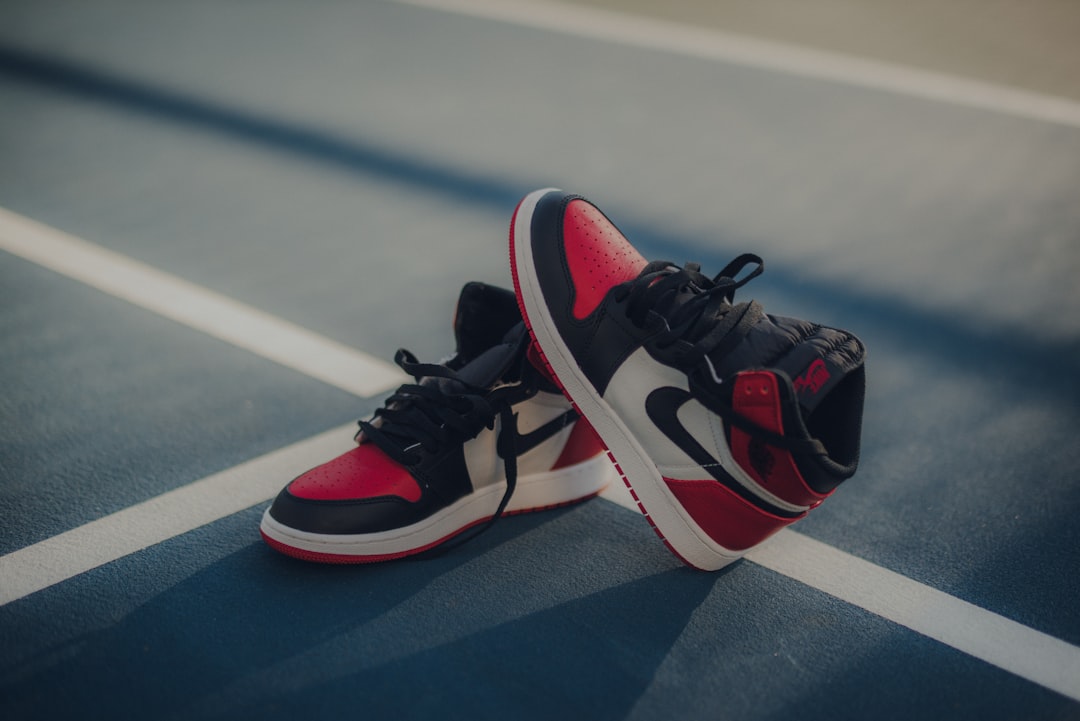
The best walking sneakers for travel balance comfort, support, breathability, durability, and personal style without asking you to pack a separate pair for every activity. This guide explains how to compare walking sneakers for vacations, commuting, city breaks, airports, and long days on your feet, with practical advice for choosing the right design for your trip.
Overview
Travel footwear has to do more than look good. A useful pair should feel comfortable during extended walking, work with several outfits, cope with changing weather and surfaces, and fit easily into a realistic packing plan. That makes the “best” walking sneaker a personal decision rather than a universal ranking.
Start by considering your actual itinerary. A relaxed weekend with cafés and short walks creates different demands from a museum-heavy city trip, a theme-park visit, or a work trip that includes commuting and standing. Your preferred fit, foot shape, walking style, and tolerance for cushioning also matter. A soft, flexible sneaker may suit one traveler, while another may prefer a firmer platform with more structure.
For a broader overview of footwear for airports and city trips, see our guide to the best travel shoes for walking, airports, and city trips. This comparison focuses specifically on walking sneakers and the features that help them perform over a full travel day.
How to compare options
Before comparing colors or brand names, define the conditions your sneakers need to handle. Use these questions to narrow the field:
- How much will you walk? Occasional sightseeing may require general comfort, while daily long-distance walking calls for dependable cushioning, a secure fit, and an outsole that feels stable.
- What surfaces are involved? Pavement, polished indoor floors, uneven sidewalks, and light trails can each favor a different outsole pattern and level of flexibility.
- Will you wear them all day? For standing in queues, commuting, or sightseeing from morning to evening, pay attention to heel comfort, arch feel, pressure points, and overall weight.
- What is the climate? Breathable mesh can be useful in warm conditions, while a more substantial upper may feel preferable in cool or changeable weather. No everyday sneaker is ideal for every level of rain.
- How versatile must they be? A neutral low-top may work with trousers, denim, shorts, and casual dresses. More technical designs can be comfortable but less adaptable to a compact travel wardrobe.
- Do you need a wide or accommodating fit? Look for enough room across the forefoot without allowing the heel to slip. Width labels vary, so use measurements and return terms rather than relying on assumptions.
A practical comparison should consider the complete shoe, not a single feature. Maximum cushioning does not automatically mean maximum comfort, and a lightweight sneaker is not necessarily the best choice for every walking pattern.
Feature-by-feature breakdown
Cushioning and underfoot comfort
Cushioning affects how a sneaker feels over repeated steps. Softer cushioning can feel pleasant when standing or walking on hard floors, while firmer cushioning may provide a more controlled sensation. Consider whether the midsole compresses comfortably under your weight and whether your foot feels supported rather than unstable.
Try walking indoors for several minutes before deciding. Notice pressure beneath the heel and forefoot, as well as any sensation of your foot sliding inside the shoe. Comfort should remain consistent rather than depending on one brief first impression.
Stability and fit
A travel sneaker should hold the foot securely without requiring tight lacing. Check that the heel stays in place, the midfoot feels supported, and the toes can spread naturally. A roomy toe box can help on long days, but excessive volume may cause movement and rubbing.
Measure both feet near the end of the day, when feet may be slightly larger, and compare those measurements with the seller’s chart. Our shoe size and fit guide covers a more complete process for buying footwear online. If you usually need shoes for wide feet, prioritize the actual shape of the last and the availability of width options over vague descriptions such as “relaxed.”
Breathability and weather tolerance
Mesh and other ventilated uppers may feel cooler in warm destinations, but they can offer less protection from puddles and wind. Smooth synthetic or leather details may be easier to wipe clean, although they can feel warmer. Treat water resistance as a specific feature, not an assumption based on appearance.
Outsole grip and durability
Inspect the outsole pattern and rubber coverage. A walking sneaker for travel should provide confident contact on ordinary pavement and indoor surfaces. Deeper or more pronounced tread may be helpful for uneven routes, but it can add weight or create a more outdoors-oriented look.
Durability depends on materials, construction, use, and care. Rotate the pair when possible, let damp shoes dry naturally, and clean dirt before it becomes embedded. For white or light-colored styles, follow the material-specific advice in How to Clean and Protect White Sneakers.
Weight, flexibility, and packability
Lighter shoes can be appealing when you are moving through airports or packing a small bag. However, reducing weight should not come at the cost of a secure fit or adequate support. Flex the sneaker at the forefoot and check that it bends where your foot naturally bends. Extremely rigid or extremely floppy designs may feel less comfortable for your particular gait.
If you plan to pack the sneakers instead of wearing them, consider whether they flatten reasonably well and whether the sole will soil clothing. In many cases, wearing the bulkiest pair during transit saves space.
Style versatility
Neutral black, white, gray, navy, or muted earth tones can simplify outfit planning. A low-profile shape tends to work with tailored casual trousers and jeans, while a chunkier runner can support relaxed denim, cargo trousers, and streetwear layers. For outfit ideas, see white sneakers outfit combinations and how to style chunky sneakers without looking overdone.
Best fit by scenario
| Travel scenario | Prioritize | Style direction |
|---|---|---|
| City sightseeing | Balanced cushioning, grip, secure fit, and breathable materials | Neutral low-top or streamlined runner |
| Airport and commuting days | Light weight, easy lacing, comfort during standing, and reliable heel hold | Minimal sneaker or neat slip-on-inspired design |
| Warm-weather trips | Ventilation, moisture management, and a soft but stable upper | Light-colored mesh or canvas-style sneaker |
| Cool or changeable weather | More protective upper, dependable outsole, and room for travel socks | Substantial retro runner or casual leather sneaker |
| Long days on hard floors | Comfortable cushioning, pressure-free forefoot, and stable platform | Supportive everyday sneaker with a clean profile |
| Small-bag travel | Low weight, versatile color, and a shape that works with multiple outfits | One neutral pair that can handle casual and polished looks |
If easy removal matters at security checkpoints or during transit, compare sneakers with quick lacing systems or slip-on construction carefully. Ease of entry is useful, but the shoe should still hold your heel securely while walking. Our guide to comfortable slip-on shoes can help if convenience is a primary requirement.
Travelers who expect substantial standing should also compare the recommendations in our guide to shoes for standing all day. Walking and standing create different sensations, so choose based on the dominant activity in your itinerary.
When to revisit this guide
Revisit a walking-sneaker comparison before each major travel season or whenever your itinerary changes. New versions can alter cushioning, fit, materials, color availability, and weight, while prices and retailer return terms can also change. A model that suited a previous trip may not remain the best match after a redesign.
Before buying, confirm the current product specifications, available widths, sizing information, and return conditions directly with the retailer. Read recent product details carefully rather than assuming that a familiar name guarantees the same fit or construction as an earlier version.
Use this checklist before packing:
- Wear the sneakers indoors with the socks you expect to travel in.
- Walk, stand, climb stairs, and sit for at least a short trial period.
- Check for heel movement, toe pressure, hot spots, and rubbing.
- Break them in before the trip; do not make the airport their first full-day outing.
- Pack a backup plan if the destination involves weather or terrain the sneakers are not designed to handle.
- Choose outfits around the sneaker’s color and profile so one pair earns its space in your luggage.
The most reliable best travel shoes are not necessarily the most technical or trend-driven. They are the pair that fits your feet securely, matches the demands of your route, remains comfortable after hours of use, and works with enough of your wardrobe to justify bringing them.