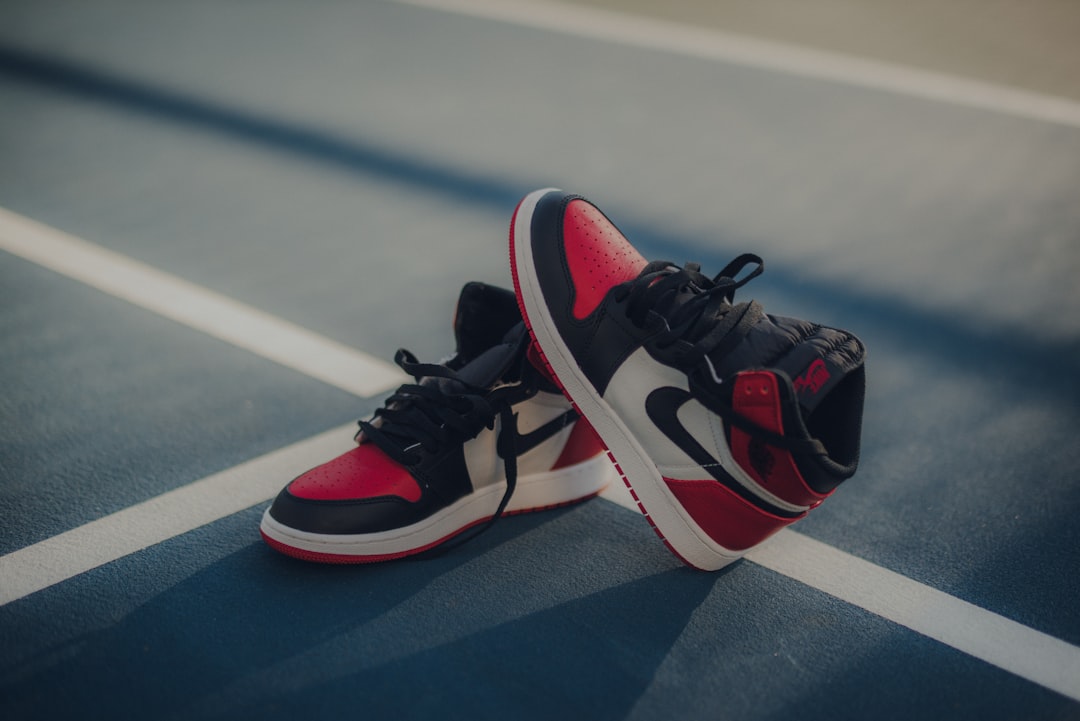
White sneakers stay versatile only when their care routine matches their material. This guide explains how to clean and protect leather, canvas, mesh, and synthetic pairs, how to treat common stains safely, and how to build a simple maintenance schedule you can repeat throughout the year.
Overview
Learning how to clean white sneakers starts with identifying what they are made from. A smooth leather upper can usually tolerate a damp cloth and a suitable leather cleaner, while mesh needs a lighter touch and more careful drying. Canvas can handle gentle brushing, but excessive water may spread dirt through the weave. Synthetic materials vary widely, so the safest approach is to follow the brand’s care instructions and test any product on a hidden area first.
Before cleaning, remove the laces and insoles if they are designed to come out. Brush away loose dust with a soft shoe brush or dry cloth. Cleaning surface dirt before adding water reduces the chance of creating muddy marks. Work from the least aggressive method to the strongest: dry brushing, a lightly damp cloth, and then a small amount of diluted cleaner if needed.
Gather a few basic tools: a soft brush, microfiber cloths, mild soap or sneaker cleaner, a small bowl, an old toothbrush for textured soles, and unprinted paper for drying. Avoid assuming that household products are safe for every upper. Strong bleach, abrasive powders, and stiff scrubbing can discolor white materials, weaken finishes, or leave a yellow cast. When in doubt, use less product and more patience.
White sneaker care also begins before the first stain. Rotate pairs rather than wearing one pair for every trip, and consider a protector labeled for the specific material. A protector is not a substitute for cleaning, and it should be tested first; some formulas can change the texture or appearance of a finish.
Maintenance cycle
After each wear
Give the sneakers a quick inspection when you take them off. Brush away dry dust, wipe fresh marks with a barely damp cloth, and remove gravel from the outsole. Let the shoes air out in a shaded, ventilated place. Do not place them directly against a radiator, heater, or strong heat source, because rapid drying can affect adhesives, coatings, and the shape of some materials.
If the shoes are damp, loosen the laces and fill the toe box loosely with plain paper. Replace the paper if it becomes wet. Avoid newspaper when its ink could transfer to a light lining or upper. Let the shoes dry completely before storing them or wearing them again.
Weekly or as needed
For regular wear, set aside a few minutes each week for a light clean. Wipe leather and synthetic uppers with a damp microfiber cloth, then use a material-appropriate cleaner for marks that remain. For canvas, use a soft brush with a small amount of diluted soap and avoid saturating the fabric. For mesh, dab rather than scrub aggressively; forceful brushing can distort fine fibers.
Clean laces separately in lukewarm water with mild soap, rinse thoroughly, and allow them to air-dry. Wash removable insoles only if the manufacturer allows it. Insoles can hold odor, but soaking them may affect foam, cushioning, or adhesives.
Material-by-material method
- Leather: Remove dust, then wipe with a slightly damp cloth. Apply a small amount of leather cleaner to the cloth rather than pouring it directly onto the shoe. After drying naturally, use a suitable leather conditioner sparingly if the product instructions recommend it. Avoid treating suede or nubuck as smooth leather.
- Canvas: Brush off loose dirt, then work a diluted mild cleaner into the fabric with a soft brush. Blot away moisture with a clean cloth and dry the pair with its shape supported. Do not scrub one small spot so hard that it becomes visibly lighter than the rest of the upper.
- Mesh: Use a dry brush first. For stains, dab with diluted cleaner and a cloth or very soft brush. Keep water controlled around padded sections and overlays. Mesh may take longer to dry, so allow plenty of ventilation before wearing the shoes.
- Synthetic leather and coated materials: Start with a damp cloth. If needed, use a cleaner approved for synthetic uppers. Avoid abrasive tools that can scratch a smooth coating and make the mark more noticeable.
- Rubber midsoles and outsoles: Use a soft brush or toothbrush with diluted soap. Work around grooves and edges, then wipe away residue. Keep the solution off delicate uppers whenever possible.
For a broader rotation plan, see The Everyday Sneaker Capsule. Fewer pairs worn thoughtfully are easier to maintain than a crowded rotation that is stored without care.
Monthly or seasonal reset
Once a month, inspect the sole bond, stitching, eyelets, heel lining, and insole. A small loose thread is easier to monitor than a damaged lining discovered after a long day of walking. Before storing white sneakers for a season, clean them, dry them fully, and keep them in a cool, dry place with enough room to hold their shape. Do not store damp footwear in a closed bag.
Signals that require updates
Your routine should change when the sneaker or its environment changes. A new pair may have a different finish from an older model, even when both are described as leather, canvas, mesh, or synthetic. Read the care label and look for brand-specific restrictions before using a familiar product.
Increase the frequency of light cleaning when sneakers are worn in rain, on dusty paths, during travel, or in places where salt and grime collect on pavements. If a pair develops repeated yellowing, cracking, stiffness, color transfer, or water marks, stop using the current product and reassess the method. The issue may come from residue, excess moisture, heat, or an incompatible cleaner rather than from insufficient scrubbing.
Update the routine when you add a protector, conditioner, whitening product, or stain treatment. Test it first on a hidden section and allow the area to dry fully before judging the result. Product formulas and shoe finishes differ, so a method that worked on one pair should not automatically be copied to another.
Common issues
How do I remove a fresh mark?
Blot rather than rub. Lift loose material, then dab the area with a clean, slightly damp cloth. If the mark remains, use a small amount of suitable diluted cleaner. Rubbing can push the stain deeper or create a larger, uneven patch.
What about grass, mud, or road grime?
Let wet mud dry enough to brush away without spreading it. For grass and road grime, begin with a dry brush, then use the gentlest cleaner appropriate for the upper. Treat the whole affected panel lightly instead of concentrating on one tiny spot, which can leave a visible ring.
Can I put white sneakers in a washing machine?
Only if the care instructions for that specific pair allow it. Machine washing can affect structure, adhesives, finishes, and shape. When hand cleaning is recommended, it is the more controlled option. Never assume that removing the laces makes a machine cycle safe.
How can I avoid yellowing?
Rinse away cleaner residue, avoid strong heat and direct prolonged sunlight during drying, and store sneakers only when completely dry. Yellowing can have more than one cause, so aggressive whitening is not always the best response. If the upper has a special coating, use only a compatible product.
When should I replace rather than clean?
Cleaning cannot restore worn cushioning, a badly separated sole, a torn upper, or a heel lining that constantly rubs. If the shoe no longer fits securely or its structure is compromised, maintenance may improve its appearance without solving the underlying problem. Use the shoe size and fit guide when replacing a pair, especially if your feet or preferred socks have changed.
When to revisit
Use this care cycle as a practical reset rather than a rigid rule. Check white sneakers after every wear, give frequently worn pairs a light clean weekly or whenever marks appear, and perform a deeper inspection about once a month. Revisit the method at the start of a rainy, snowy, or especially dusty season, before a trip, and whenever you buy a new material or protective product.
A simple printable schedule looks like this:
- Every wear: brush off dust, wipe fresh marks, and air the shoes out.
- Weekly: clean visible stains, laces, and the rubber edges as needed.
- Monthly: inspect stitching, sole edges, lining, insoles, and storage conditions.
- Seasonally: clean and dry the pair fully, check whether protection needs renewing, and review the product instructions.
- Before travel: clean the shoes, pack them dry, and bring a small cloth for quick spot treatment.
For travel-heavy wardrobes, pair this routine with our guide to travel shoes. If you enjoy styling ideas as much as maintenance, white sneaker outfit ideas can help you keep clean pairs in regular rotation instead of saving them for rare occasions. Recheck the routine whenever a stain resists gentle treatment, the material changes, or the manufacturer provides different instructions. Consistent small steps are usually safer and more effective than waiting for a heavily marked pair to need a drastic clean.