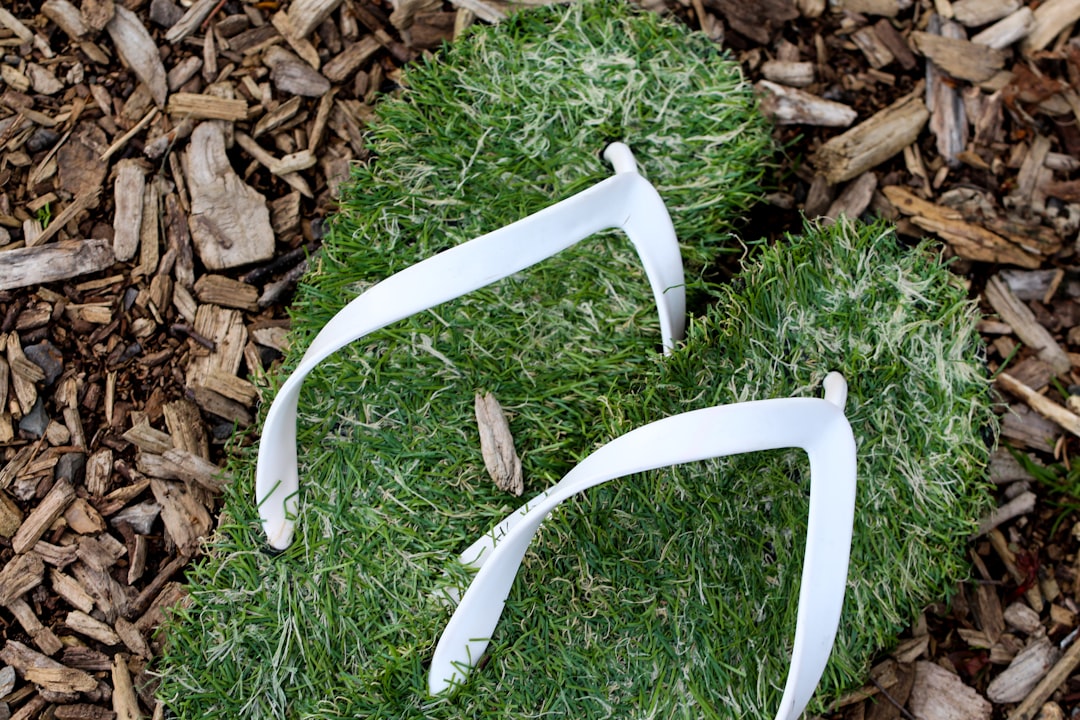
In today’s fast-fashion world, the allure of cheap, trendy shoes can be tempting. But beneath the bargain prices often lies poor durability, discomfort, and environmental strain. It’s time to shift our mindset toward quality footwear — investment pieces that offer lasting comfort, style, and a smaller environmental footprint. This definitive guide dives deep into why making smart footwear investments pays off and how proper shoe care and maintenance can extend the life of your shoes for years to come.
1. Understanding Quality Footwear as an Investment
Material Excellence: What to Look For
Premium shoes often use superior materials such as full-grain leather, high-quality suede, or advanced woven textiles with excellent breathability and durability. Unlike synthetic or bonded leathers, these natural materials age well and develop character, rather than cracking or peeling quickly.
For instance, full-grain leather has a natural protective layer that makes it resistant to moisture and wear, which enhances shoe longevity and appearance. Investing in such materials means your shoes not only look better but also last substantially longer compared to low-cost footwear options.
Construction Techniques Matter
The method used to assemble your shoes is critical. Look for handcrafted or Goodyear welted shoes, which attach the sole to the upper with a durable stitch rather than glue. This technique allows soles to be replaced, extending the life of your footwear by years. In contrast, mass-produced glued soles are prone to early separation and wear.
Exploring our detailed analysis on functional winter sports footwear reveals how choose construction elevates both performance and durability — principles that apply widely across shoe categories.
Why Quality Footwear Aligns with Fashion Sustainability
Embracing quality pieces is a central principle in fashion sustainability. Instead of perpetuating the wasteful cycle of throwing away fast-fashion shoes after a season or two, a durable pair cuts down on landfill waste and reduces resource consumption.
By choosing well-crafted, timeless footwear, consumers contribute to eco-friendly consumption, reducing the environmental footprint while also saving money over time.
2. How Investing in Durable Shoes Saves You Money
Cost Per Wear: The Real Metric of Value
While a $50 pair of shoes seems economical, replacing them every six months adds up quickly. Conversely, a $250 pair of durable shoes, cared for properly, might last five years or longer. The cost per wear comparison clearly favors investing in quality footwear.
This long-term perspective is essential for savvy shoppers aiming to maximize both value and comfort in their shoe purchases. For a practical example of cost-benefit, check out our guide on maximizing purchasing power.
Comfort and Health Benefits
Quality shoes tend to offer better arch support, cushioning, and fit precision, which helps prevent foot fatigue, blisters, and long-term posture problems. The health savings from avoiding podiatric issues add intangible economic value to your footwear investment.
Timeless Style That Doesn’t Date
Trendy but cheaply made shoes go out of style quickly. Quality shoes often feature timeless designs that pair with multiple outfits and remain fashionable across seasons. This versatility reduces the urge to buy more frequently and supports a minimalist wardrobe.
3. Effective Shoe Care and Maintenance Tips
Regular Cleaning for Longevity
Keeping your shoes clean is the first step to extending their life. Use a soft brush or cloth to remove dirt and dust regularly. For leather shoes, a damp cloth and specialized leather cleaner ensure grime doesn’t degrade the material.
Our detailed tutorial on cleaning and organizing seasonal gear translates well to footwear — routine care prevents buildup that can damage shoes over time.
Conditioning and Waterproofing Leather
Leather conditioning replenishes natural oils, keeping shoes supple and preventing cracking. Apply a conditioner every few months and finish with a waterproof spray to protect against moisture damage. This care regimen aligns with principles in skin hydration and protection — consistency is key.
Proper Storage
Store your shoes in a cool, dry place away from direct sunlight. Using shoe trees made of cedar or other moisture-absorbing woods helps maintain shape and reduce odor. Avoid piling shoes on top of one another, which can cause creasing and misshape shoes.
4. Repair and Resole: Extending Shoe Life Even Further
The Value of Shoe Repairs
Basic repairs such as replacing worn-out soles, heels, or insoles can breathe new life into a well-made pair of shoes. A reputable cobbler can fix damages that might otherwise force you to discard your footwear prematurely.
Cost-Effectiveness of Resoling
For shoes with Goodyear welt or Blake stitch construction, resoling may cost $50–$100 but can extend shoe life by years. This expense is economical compared to purchasing new shoes and reduces waste.
When Repairs Aren’t Worth It
Low-cost shoes with glued soles or poor construction may not be worth repairing. Learn to spot when it’s better to reinvest in a quality pair, avoiding the sunk cost fallacy.
5. Comparing Quality Footwear Brands: Balancing Price and Durability
| Brand | Price Range | Material Quality | Construction Type | Average Lifespan |
|---|---|---|---|---|
| Allen Edmonds | $$$ | Full-Grain Leather | Goodyear Welt | 10+ years |
| Clarks | $$ | Suede/Leather | Stitched/Glue | 5-7 years |
| Rothy’s | $$ | Recycled Materials | Adhesive-based | 3-5 years |
| Red Wing | $$$ | Premium Leather | Goodyear Welt | 15+ years |
| Allbirds | $$ | Natural Wool/Foam | Adhesive | 3-4 years |
6. The Role of Fashion Sustainability in Footwear Choices
Material Sourcing and Environmental Impact
Brands prioritizing sustainable sourcing reduce water usage, chemical dyes, and carbon emissions. For example, shoes made from recycled plastics or natural fibers support circular fashion principles, supporting longevity and environmental responsibility.
Supporting Ethical Manufacturing
Investing in brands with transparent supply chains that pay fair wages and maintain safe working conditions adds social value to your purchase. This ethical dimension complements the durability and style that quality footwear provides.
Consumer Role in Driving Sustainability
Your buying decisions influence industry trends. Opting for durable quality shoes over fast-fashion encourages more brands to prioritize sustainability. For insight into sustainable fashion industry impacts, see lessons from Saks OFF 5th’s liquidation sale.
7. How to Choose the Right Quality Footwear for You
Assess Your Lifestyle and Needs
Consider your daily activities — do you need comfortable office shoes, durable outdoor boots, or versatile casual sneakers? Quality footwear is about matching function with style to serve your lifestyle efficiently.
Fit and Sizing Precision
Proper fit is essential for comfort and shoe longevity. Consult guides on flawless online shopping fit to ensure you pick the right size and width, minimizing wear from improper fit.
Budgeting: Quality Doesn’t Always Mean Breaking the Bank
Set a realistic budget to invest in durable shoes while balancing other expenses. Consider mid-range brands or sales periods to acquire investment pieces affordably. See strategies for maximizing purchasing power.
8. When and How to Replace Your Shoes
Signs Your Shoes Need Retirement
Notice worn soles, splits in leather, loss of cushioning, and persistent discomfort. These symptoms indicate it’s time for replacement or professional repair.
Recycling or Donating Worn Shoes
Instead of discarding, donate usable shoes or recycle materials where possible to minimize environmental impact. Some brands and stores offer take-back programs for worn shoes.
Planning for Your Next Investment Piece
Use your experiences to shape future purchases, focusing on quality and care tips proven to work for your lifestyle and style preferences.
9. Pro Tips for Maximizing Shoe Longevity
Rotate your shoes regularly to prevent overuse of one pair. Using shoe trees and avoiding wet conditions keeps shoes in better shape longer.
For detailed info on seasonal gear care applicable to footwear, see seasonal toy organization tips.
Invest in quality insoles to enhance comfort and preserve shoe interiors.
Frequently Asked Questions
1. How often should I clean my shoes?
Clean your shoes after every few wears or sooner if exposed to dirt or moisture to prevent material degradation.
2. Can suede shoes be waterproofed?
Yes, use specialized suede waterproof sprays that protect without damaging texture.
3. Are quality shoes always expensive?
Not necessarily; mid-tier brands offer quality footwear at reasonable prices, especially during sales.
4. How can I tell if my shoes are worth repairing?
If made with durable construction and quality materials, repairing is usually cost-effective compared to replacement.
5. What’s the best way to store shoes long-term?
Store in breathable bags or boxes with shoe trees, in a cool and dry environment away from sunlight.
Related Reading
- X Games Style: Freedom and Function in Winter Sports Fashion - Explore how durable construction elevates sports footwear performance.
- Sustainable Fashion: Lessons from Saks OFF 5th’s Liquidation Sale - Understanding sustainability impacts in fashion and footwear.
- Finding the Best Student Discounts: Maximizing Your Purchasing Power - Tips for budgeting your footwear investments smartly.
- Navigating the Digital Marketplace: What Lies Ahead for E-Commerce - Handy guidance for confident online shoe purchases.
- Transform Your Playroom: Seasonal Toy Organization Tips - Useful care and storage advice adaptable to shoe maintenance.