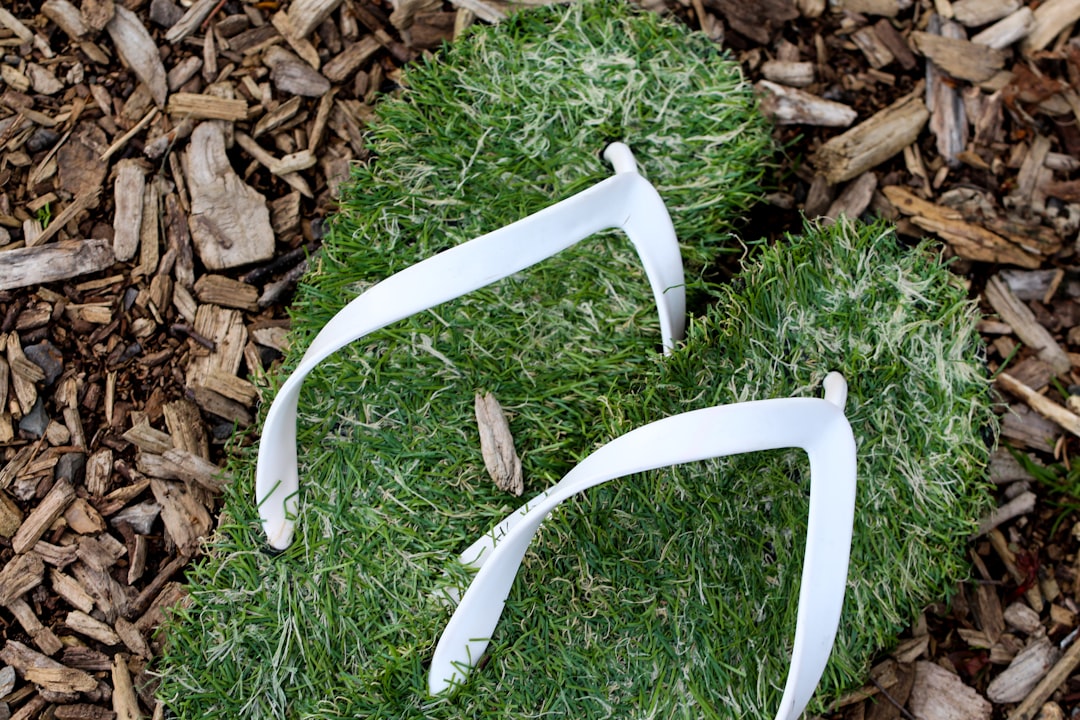
Heading to an outdoor spectacle like the Australian Open, a summer music festival, or a sweltering city day? You need sneakers that keep your feet cool, comfortable, and stylish under intense heat. This definitive guide breaks down the best materials, construction tricks, fit strategies, and model types that deliver breathability and performance when temperatures spike — plus real-world buying advice, reviews, and a comparison table to help you choose the right pair fast.
We’ll also link to practical resources you can use for event planning, shopping smart, and caring for hot-weather sneakers. For guidance on dressing for big outdoor events, see our piece on Outfits for Every Style Inspiration, and for styling under pressure, check Looks Inspired by Extreme Sports Moments.
Why Heat Changes Everything: Anatomy of a Hot-Weather Sneaker
What happens to your feet in extreme heat
Heat increases sweat production, which raises humidity inside the shoe and accelerates friction. That combination causes blisters, accelerates odor-causing bacteria growth, and can make cushioning feel denser or less responsive. Outdoor events often add walking on hard surfaces, prolonged standing, and brief runs between transport points — all activities that amplify thermal stress on your feet.
Key components that affect cooling
Sneaker breathability depends on three components: the upper (material and construction), the insole (porosity and antimicrobial treatment), and the midsole/outsole (how heat is channeled away). Uppers with engineered mesh or perforated knit let convective airflow reach the foot. Insoles with moisture-wicking covers and ventilation channels promote evaporation. Even outsole design matters: thin, flexible soles often allow more heat exchange than thick, insulated ones.
How design trade-offs influence comfort
Manufacturers balance breathability with structure and durability. A super-vented upper may be less protective in dusty environments, while leather or thick foam midsoles can reduce airflow. Think of heat-resistant sneakers as a three-way trade: cooling, protection, and aesthetics. Your real-world choice should prioritize the one you need most for the occasion.
Materials & Technology: What to Look For
High-breathability fabrics: Mesh, engineered knit, and ripstop
Open-weave mesh and engineered knit are the workhorses of heat-ready sneakers. They combine structural support with large pore sizes that permit airflow. Ripstop blends often add durability while keeping panels ventilated. For an event like the Australian Open, players and fans both favor wide-mesh panels in shoes because they maintain a breathable barrier without collapsing under load.
Moisture-management liners and anti-odor treatments
Look for linings labeled moisture-wicking, quick-dry, or antimicrobial. Some brands use silver ion treatments or activated charcoal liners to reduce bacterial growth. These treatments don’t stop sweating, but they keep odor and fungal risk down and reduce the need to wash sneakers frequently.
Midsole and outsole tech that helps with heat
Lightweight foams like EVA and low-density polyurethane enable ventilation by staying less insulated. Outsoles with siping (thin grooves) and flex channels promote airflow and let the shoe compress and recover without trapping heat. When evaluating models, prioritize foams that feel springy at high temperatures — some materials stiffen in heat which ironically reduces comfort.
Styles That Keep Feet Cool — From Performance to Casual
Performance tennis & court shoes
Tennis shoes designed for hot court conditions usually combine engineered mesh, targeted toe-box reinforcement, and breathable tongue constructions. If you’re spectating at an outdoor tournament, these shoes offer the lateral support you might need while being more breathable than classic leather sneakers. For more on sporting-event logistics and what fans experience, read about Sporting Events and Their Local Impact, which gives context to crowd movement and why breathability matters.
Everyday trainers with knit uppers
Knit trainers look sleek and are often very ventilated because the fabric can be engineered with different densities. They’re ideal for travel days and long walking sessions in heat because they adapt to foot shape and reduce hot spots. If you like mixing fashion and function, pairing knit sneakers with breathable linen or cotton outfits is a winning combo; take styling cues from our guide on dressing for events.
Slip-ons, sandals hybrids, and open-panel designs
Sneaker-sandal hybrids and ventilated slip-ons prioritize airflow above all. They’re perfect for casual outdoor concerts and beach-side promenades but may sacrifice protection. Use them on hot days when you expect minimal debris and maximum cooling. If you plan to switch between venues, consider a hybrid that combines toe protection with oversized vents.
Choosing Sneakers for Tennis Events (Australian Open & Similar)
Why tennis crowds need special attention
Major tennis tournaments are often held outdoors, with hours of sun, long walks within stadium grounds, and unpredictable travel between venues. Fans stand in queues, sit on hard seats, and walk substantial distances — all while the sun beats down. Selecting shoes that reduce sweat and blister risk increases enjoyment and reduces downtime during the day.
Real-world lessons from players and fans
Pro players and seasoned fans gravitate toward shoes with open mesh in non-critical stress zones and reinforced overlays at high-friction points. Fans often prefer shoes that are breathable but still look presentable for photos and hospitality zones; our article about the realities of athlete injuries like Naomi Osaka’s withdrawal underscores how footwear, recovery, and climate management intersect for athletes — and the lessons fans can borrow.
What to pack for a long day at the tournament
Bring a second pair of socks (preferably thin, moisture-wicking), foot powder or a light antiperspirant for feet, and a spare pair of more structured shoes if you expect evening activities. Quick-dry insoles are an excellent lightweight upgrade for midday swaps. For more on how big events operate and the systems that support them, see behind-the-scenes logistics at motorsports events: Event Logistics — many principles like crowd flow and vendor placement affect walking distances at tennis sites too.
Fit, Sizing and Sock Strategies for Hot Days
Sizing tips to avoid friction as temperatures rise
When feet swell in heat you'll need 3–5 mm extra length than your cold-weather shoes to avoid toe drag. Consider half sizes up if you’re between sizes. Avoid overly snug pairs: an initially tight knit can create hot spots after an hour of walking. Try shoes late in the day when feet are naturally more swollen to simulate event conditions.
Best sock choices and why they matter
Thin merino blends, technical polyester blends, and bamboo fibers wick moisture while avoiding excessive thickness that traps heat. Compression socks are generally a no for hot days unless you need them for circulation; they reduce breathability. Pack a spare pair of socks to change midday — an inexpensive habit that dramatically improves comfort.
Adjustable features to look for
Elastic laces, Velcro straps, and vented tongues let you fine-tune tension across the midfoot and instep so you can loosen the shoe while standing in sun and tighten for walking. Shoes with gusseted tongues keep dust out and still allow airflow. Tiny design details like these make a big difference at all-day outdoor events.
Care, Odor Control, and Heat-Related Maintenance
Daily care: quick-dry and airing techniques
After a hot day, remove insoles and let shoes air in a shaded, ventilated area. Avoid direct sun for long stretches — UV can break down adhesives and fade colors. Stuffing shoes with crumpled paper (not newspaper ink) accelerates drying and keeps shape without overexposure to heat.
Products that actually help
Use quick-dry sprays with antimicrobial properties, cedar shoe trees for moisture absorption, and replaceable foam insoles with anti-odor top layers. For skin relief after long days in heat, see our picks for exfoliation and skin rejuvenation in Sugar Scrubs to Rejuvenate Your Skin — footwear comfort and skin care often go hand-in-hand after extended sun exposure.
Repair and long-term durability in hot climates
Heat and UV accelerate material breakdown, so rotate footwear if you attend multiple outdoor events. Choose shoes with replaceable insoles and robust stitch lines over glued-only constructions. The article on spotting High-Value Sports Gear explains how to evaluate construction quality — an essential skill for buyers who want hot-weather durability without overspending.
Pro Tip: Rotate two pairs of breathable sneakers during busy outdoor seasons — alternating reduces moisture buildup and makes each pair last significantly longer.
Top Picks & Sneaker Reviews for Extreme Heat
How we evaluate sneakers for this list
We prioritize: open-area upper ventilation, moisture-managing liners, lightweight responsive midsoles that don’t stiffen in heat, outsole flexibility, and real-world performance. We also balance style — a breathable sneaker should still look good in hospitality or casual event settings. If you want bargain shopping tactics to get these models at a discount, see our guide to smart online deals at A Bargain Shopper’s Guide.
Categories covered (and why they matter)
We grouped picks into: performance court shoes, lightweight knit trainers, commuter slip-ons, hybrid sandals/sneakers, and eco-breathable options. Each category serves a different need: court support for stadium steps; knit trainers for travel and style; slip-ons for quick comfort; hybrids for maximum airflow; eco options for sustainably-minded buyers.
Shortlisted models (descriptive — test before you buy)
We include models with engineered mesh uppers, ventilated outsoles, and thin, quick-dry insoles. Prices vary, so if you prefer to hunt deals on short windows like TikTok drops or flash sales, our guide to Navigating TikTok Shopping helps you spot authentic promotions and avoid scams.
Detailed Comparison: Breathable Sneakers for Heat
Below is a comparative snapshot of five representative hot-weather sneaker types. Use it to match your priorities — breathability, support, price, and style.
| Model Type | Breathability | Support | Best For | Price Range |
|---|---|---|---|---|
| Engineered Mesh Trainer | High — open weave panels | Medium — reinforced overlays | Travel, long walking days | $80–$160 |
| Knit Commuter Sneaker | High — adaptive knit | Low–Medium — relies on lacing | Casual events & city wear | $70–$150 |
| Court/Tennis Performance Shoe | Medium — targeted ventilation | High — lateral stability | Spectating or light play | $90–$200 |
| Ventilated Slip-On | Very High — open panels | Low — minimal structure | Beach, quick errands, festivals | $50–$120 |
| Hybrid Sneaker-Sandal | Very High — sandal-style openings | Low–Medium — toe protection varies | Hot-weather leisure, resort | $60–$140 |
Style & Fashion: Wearing Breathable Sneakers Confidently
Styling breathable sneakers for hospitality and photos
Breathable sneakers can be polished with the right outfit choices. Pair clean knit trainers with tapered chinos or linen trousers and a lightweight blazer for a look that balances ventilation with presence. For more outfit inspiration tailored to specific events, reference our styling guidance at Dressing for the Occasion.
From courtside to rooftop — transitional looks
Choose neutral colors or refined textures for sneakers you plan to wear across venues. A ventilated sneaker in muted tones moves seamlessly from stadium seating to an evening rooftop without appearing too athletic. If you’re creating an event-ready capsule wardrobe (sneakers + 2 outfits), think about fabrics that breathe as much as your shoes.
Accessory tips that help in heat
Wide-brim hats, UV-blocking sunglasses, and lightweight scarves protect skin while keeping you cool. Also bring a compact foot spray or mini deodorant wipes in your bag to refresh feet between matches or sets. If you're running a pop-up or shop at events, our guide on choosing a boutique location offers context about customer needs and event foot traffic: How to Select the Perfect Home for Your Fashion Boutique.
Buying Online, Returns, and Smart Deals
How to buy the right breathable sneaker online
Read in-depth size charts, user reviews mentioning hot-weather performance, and photos showing upper weave. Filter for keywords like "mesh," "engineered knit," "moisture-wicking," and "ventilated." If you’re hunting for a deal, use safe online shopping best practices from our Bargain Shopper’s Guide and monitor flash sales using verified guides like our TikTok shopping tips.
Return policies and testing at home
Pick retailers with at least a 30-day return window and free returns so you can test shoes in the conditions you'd wear them — put them through a full day of walking, a sweaty sock test, and a quick-dry check. Keep box and tags intact until you’re sure they meet heat-comfort expectations.
When to pay more and when to save
Spend more on construction quality (stitched seams and replaceable insoles) if you expect frequent use. Save on seasonal colorways or lower-cost slip-ons if they’ll be occasional. Our piece on High-Value Sports Gear helps you decide which features justify higher prices.
Event-Day Checklist & Travel Packing
Essential items to pack with breathable sneakers
Pack: a second pair of thin socks, replaceable insoles, foot powder, compact antimicrobial spray, blister moleskin, and a small shoe bag. If you're traveling to a sequence of events, include shoe trees or paper stuffing to maintain shape after each day of heat exposure.
How to preserve sneaker life on road trips
Rotate footwear, air shoes daily, and avoid storing damp shoes in sealed luggage. For longer travel itineraries where you may also attend indoor or evening events, consider a more structured pair in your luggage for balance. If you’re planning multi-city trips around events, look for planning cues in travel pieces like multi-city trip planning to optimize packing and schedule.
Rest, recovery, and foot health after hot days
Cool-down routines — elevating feet, cold water soaks, and lightweight compression for circulation — speed recovery. For general rest and injury prevention, see our guide on the importance of rest in wellness routines: The Importance of Rest in Yoga Practice.
Frequently Asked Questions
Q1: Are mesh or knit uppers better for extreme heat?
A1: Both are excellent; engineered mesh often has larger, more consistent ventilation while knit can offer adaptive fit and targeted support. Choose mesh if you want maximum airflow, knit if you value a close, flexible fit.
Q2: Can breathable sneakers still prevent blisters?
A2: Yes — if the shoe fits correctly and you use moisture-wicking socks and appropriate foot powders or liners. Breathability reduces moisture accumulation, which is a primary cause of blisters.
Q3: Should I wash ventilated sneakers after every hot day?
A3: Not necessarily. Remove insoles and air shoes out of direct sun; use targeted antimicrobial sprays or wipes for sweat-prone areas. Full washing should be occasional to preserve adhesives and technical finishes.
Q4: How do I tell if a sneaker will stiffen in heat?
A4: Check material specs — some high-rebound foams are heat-stable while older PU blends can harden. User reviews mentioning performance in hot climates are the best indicator.
Q5: Are sustainable materials less breathable?
A5: Not necessarily. Recycled mesh and plant-based knits can match or exceed breathability if well-engineered. Look for independent certifications and product tests that quantify airflow and moisture-wicking.
Final Checklist: Choose Confidently for Any Hot Event
Quick decision guide
Prioritize (in order): proper fit with slight extra length, open-area uppers, moisture-managing insoles, and midsole materials that remain lively in heat. Decide whether you need structure (court shoes) or maximum airflow (hybrids) and plan socks and aftercare accordingly.
Where to learn more and shop smart
Use trusted reviews, check event logistics that affect walking distances (see motorsports logistics and local impacts like community effects), and follow bargain strategies from our safe-shopping guide here. If you’re looking to pair your sneakers with event-ready hair and beauty prep, seasonal salon strategies can help — read seasonal salon tips.
Closing thought
Breathable, heat-ready sneakers don’t require compromises: the modern market offers options that are supportive, stylish, and engineered to manage heat. With the right materials, fit, and a simple care routine, you can stay comfortable at long outdoor events — and look good doing it.
Related Reading
- Astrology & The Art of Rivalry - A quirky exploration of competitive personalities you might spot courtside.
- The Mediterranean Delights - Multi-city travel planning tips if you’re combining events and vacation.
- Scentsational Yoga - How aromatherapy and scented accessories can help you refresh after hot day events.
- Back to Basics - A nostalgic read on retro gear, useful if you love vintage sneaker styling.
- Your Ultimate Guide to Budgeting for a House Renovation - Not related to sneakers, but great reading if you’re planning long-term investments in lifestyle and home.