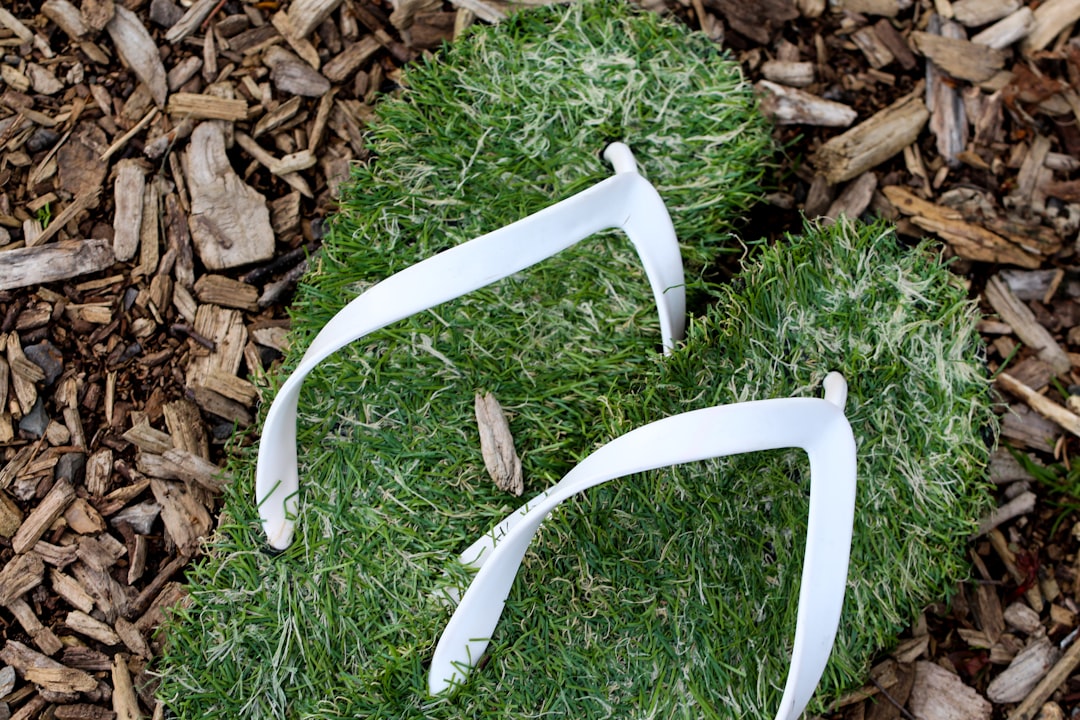
As the cold grip of winter loosens and warmer breezes hint at the coming spring, fashion enthusiasts face a perennial puzzle: how to update their shoe collection to reflect the new season while retaining comfort and style. Navigating the transition between winter and spring footwear requires thoughtful selection of versatile shoes that seamlessly blend durability with breathability, along with looks that carry you through unpredictable weather.
Understanding Seasonal Footwear Needs
Winter Footwear Challenges
Winter shoes are often focused on robustness, insulation, and protection from cold and wet elements. Materials like leather, waterproof synthetics, and heavy soles dominate, but these can be restrictive or too warm as temperatures climb. Issues such as wide bulk, limited breathability, and heavy weight make many winter boots less appealing for spring.
Spring Footwear Essentials
Spring demands shoes that are lighter but still able to handle rain showers and muddy patches. Breathability and moisture-wicking linings become more important, while styles shift toward more open designs and colors that reflect rejuvenation. Flexibility in outfit coordination is crucial, as many head into outdoor activities or casual settings that require footwear adaptability.
Why Versatility Matters in Style Transition
Investing in versatile shoes means fewer pairs crowd your closet, and more importantly, effortless daily styling. Versatile footwear bridges the seasonal gap, working for chilly mornings and warmer afternoons alike. To explore how to adapt wardrobes efficiently, see our detailed fashion tips guide.
Choosing the Right Materials for Transitional Footwear
Leather – Durable and Classic
Leather remains a timeless material offering an excellent balance of weather resistance and breathability. Opt for full-grain or treated leather shoes that repel light rain while allowing feet to breathe when temperatures rise. Proper care, such as conditioning, prolongs leather life and keeps shoes looking fresh through multiple seasons.
Suede and Nubuck – Stylish But Sensitive
Suede adds a soft texture and spring-appropriate aesthetic but requires treatment to protect from moisture. Pairing these with a quality water-repellent spray can extend wearability from late winter into dry spring days. For advice on protection techniques, refer to our shoe care and maintenance resource.
Synthetic Fabrics and Mesh – Breathability Champions
Sneakers and casual shoes with engineered mesh or technical synthetic uppers offer superior breathability and quick drying, making them perfect for fluctuating spring weather. Seek options with waterproof membranes for rainy days, combining comfort and protection.
Essential Styles to Carry Over from Winter to Spring
Chukka and Desert Boots
Chukka boots fabricated from leather or waterproof suede work well year-round. Their mid-ankle height offers enough warmth during cooler mornings and sufficient openness when temperatures climb. Neutral tones like tan, gray, and olive can enhance your spring wardrobe versatility. For styling inspiration, check our casual shoe style ideas section.
Low-Profile Leather Sneakers
Classic leather sneakers in subtle colors provide a polished yet casual look transitioning smoothly from winter layers to lighter spring outfits. Their durable soles and easy maintenance make them indispensable for those seeking comfort without sacrificing style.
Waterproof Loafers and Slip-Ons
Modern loafers constructed with waterproof materials or treated leathers offer both dressiness and weather readiness. The slip-on design facilitates quick changes between indoor and outdoor settings during transitional seasons.
Practical Tips for Comfort and Fit in Transitional Footwear
Consider Insole Technology
With changing temperatures, feet can swell or contract slightly. Shoes equipped with cushioned, moisture-wicking insoles optimize comfort and prevent blisters, especially during extended wear. For the best picks, visit our article on best insoles for comfort.
Try Layering Socks Smartly
In colder mornings, a thin wool sock paired with a breathable cotton liner can provide warmth without overheating later in the day. Choosing sock materials based on activity and weather is vital for maintaining foot health and comfort during spring transitions.
Ensure Proper Sizing and Width
As you move between bulky winter styles and lighter spring shoes, most consumers struggle with sizing differences. Check detailed size guides before purchasing seasonal footwear, especially with brands known for distinct fit profiles. Our complete shoe size guide offers expert advice.
Seasonal Footwear Styling Ideas for Effortless Transitions
Pairing with Outerwear
When layering coats and jackets, balance the heaviness of winter footwear with lighter, well-maintained shoe alternatives. Stylish trench coats and mid-layer sweaters can pair subtly with transitional boots for an updated seasonal look.
Matching with Spring Colors and Textures
Spring fashion welcomes pastel tones, light denim, and floral patterns. Shoes in neutral tones or soft hues allow greater outfit flexibility while maintaining a chic appearance. Our guide on seasonal fashion trends can spark styling creativity.
Transitioning from Work to Weekend
For professional environments, select smart casual footwear like sleek leather derbies or minimalistic boots that translate well to weekend outings with jeans or chinos. Check out our article on work-to-weekend shoe ideas for detailed recommendations.
Weatherproofing and Maintenance: Keeping Your Shoes Ready
Applying Protective Sprays and Waxes
Protecting transitional shoes against unexpected rain enhances longevity and maintains appearance. Frequent application of waterproof sprays designed for specific materials is crucial—don’t forget to clean shoes thoroughly before applying for best results.
Cleaning Techniques for Different Materials
Leather, suede, and synthetic shoes each require tailored cleaning routines to preserve texture and color. For instance, suede requires gentle brushing while leather benefits from a soft cloth and conditioner. Our shoe care and maintenance guide explains these in detail.
Storing Seasonal Footwear Properly
During non-peak seasons, store shoes in breathable bags or boxes with cedar shoe trees to maintain shape and prevent moisture buildup. This practice extends shoe life for future seasonal rotations.
Top Picks: Versatile Footwear Models to Invest in This Season
We present a comparison table of popular transitional footwear styles to help guide your purchase decisions based on comfort, style flexibility, weather resistance, and price point.
| Model | Material | Weather Resistance | Style Versatility | Comfort Features | Price Range |
|---|---|---|---|---|---|
| Clarks Desert Boot | Suede/Leather | Light water resistance | Casual & smart casual | Cushioned sole, breathable | $$ |
| Timberland Waterproof Chukka | Full-grain leather | High waterproof rating | Outdoor & urban wear | Orthopedic insole | $$$ |
| Adidas Stan Smith Leather | Full-grain leather | Moderate water resistance | Casual, streetwear | Ergonomic midsoles | $$ |
| Rockport Waterproof Loafer | Waterproof treated leather | High | Business casual | Shock-absorption | $$$ |
| Allbirds Tree Runners | Sustainable knit fabric | Light rain suitable | Active lifestyle | Natural cushioning | $$$ |
Pro Tips for a Seamless Seasonal Footwear Transition
“Choosing shoes with adjustable features—like removable insoles or customizable lacing—can accommodate foot swelling and seasonal layering, providing unmatched comfort throughout the day.”
“Invest in neutral color palettes initially; this strategy maximizes your wardrobe matching across seasons and reduces decision fatigue.”
Managing Footwear Purchases with Confidence
Using Clear Fit Guides
Online shoe shopping can be daunting due to sizing inconsistencies. Utilize detailed fit guides that measure foot length, width, and arch profile. Our comprehensive size and fit guide walks you through measuring for the perfect shoe.
Consulting Honest Reviews
Explore validated customer reviews that highlight real-world wearability, durability, and comfort. Our site aggregates trusted reviews to help you avoid surprises post-purchase.
Looking for Flexible Return Policies
Retailers offering easy returns and exchanges reduce the risk of mismatch. Selecting brands known for straightforward return processes helps shoppers transition their collections without hassle.
Frequently Asked Questions (FAQ)
1. Can I wear winter boots in early spring?
Yes, but opt for boots that are not heavily insulated and allow some breathability. Waterproofing and lighter weight styles are preferable for early spring.
2. How to protect suede shoes from spring rain?
Use waterproof sprays designed for suede and avoid puddles. Allow shoes to dry naturally and brush them gently to restore texture.
3. What colors work best for transitional footwear?
Neutral shades like tan, gray, black, and soft pastels offer the most styling flexibility across seasons.
4. Are sneakers good for spring weather?
Yes, especially models with breathable uppers and water-resistant features. They provide comfort and style for warmer, wetter conditions.
5. How often should I update my seasonal shoes?
Every 2-3 years is advisable unless there is notable wear or style changes. Regular maintenance can extend shoe lifespan significantly.
Related Reading
- Shoe Care and Maintenance - Essential tips for keeping your shoes in top condition year-round.
- Fashion Tips for Every Season - How to refresh your wardrobe as seasons change.
- Casual Shoe Style Ideas - Inspire your outfits with versatile casual footwear.
- Seasonal Fashion Trends - Stay updated on style movements for spring and beyond.
- Best Insoles for Comfort - Find insoles that provide all-day support during transitions.